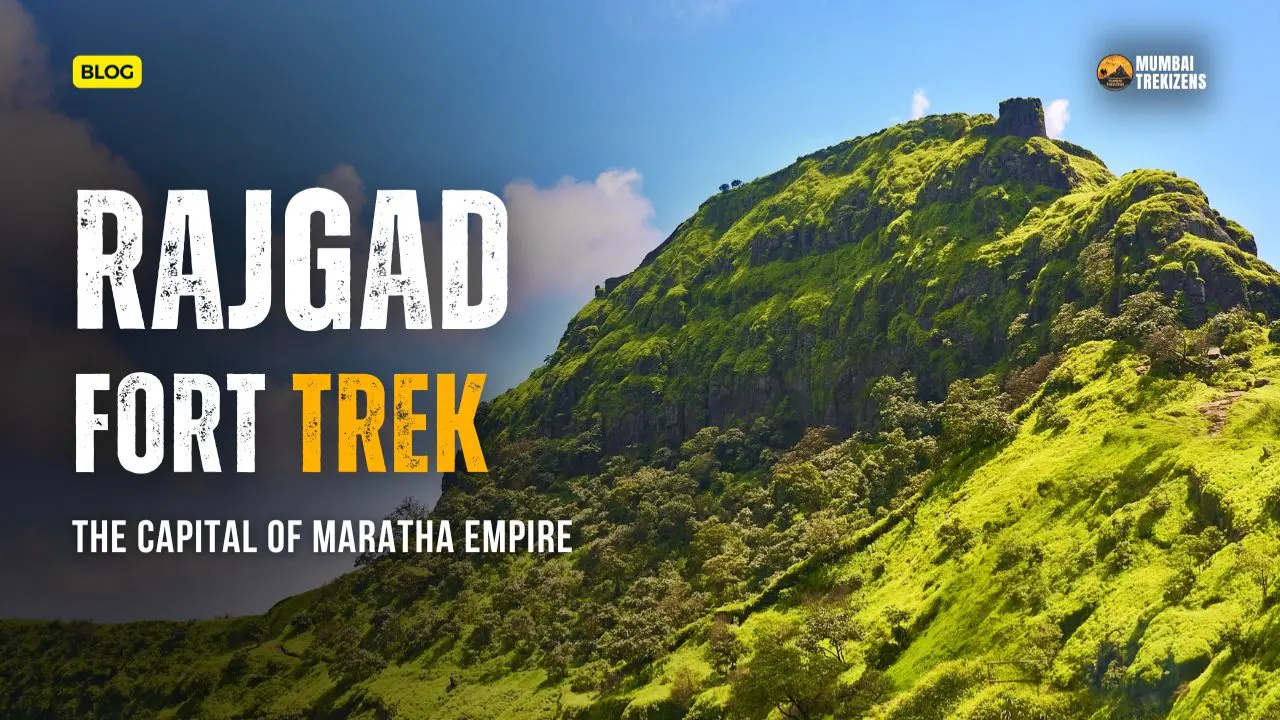
Introduction
Few forts carry the weight of history that the Rajgad fort trek does. For 26 years, Rajgad was the capital of Chhatrapati Shivaji Maharaj's Swarajya, the beating heart of the early Maratha empire. To climb it is to walk through the pages of Maharashtra's proudest chapter.
Beyond the history, Rajgad is simply a magnificent trek. Its vast fort spreads across three long fortified arms called machis, crowned by the citadel of Balekilla, with the Padmavati plateau offering some of the best camping in the Sahyadri. Sunrise and sunset from Rajgad are the stuff trekkers plan whole weekends around.
This guide covers both the Gunjavane and Pali routes, the fort's key sections, camping, water, food, transport, difficulty, and the safety tips that make this classic climb near Pune so rewarding.
Table of Contents
- Where Rajgad Is Located
- The History of Rajgad Fort
- The Layout: Machis and Balekilla
- Trek Routes: Gunjavane vs Pali
- Difficulty Level and Who It Suits
- Camping on Rajgad
- How to Reach Rajgad
- Best Time to Visit
- Water, Food, and Facilities
- Safety Tips
- Practical Tips
- Common Mistakes
- Expert Insights
- Frequently Asked Questions
- Ready for Your Next Adventure?
Where Rajgad Is Located
Rajgad Fort stands in Pune district, Maharashtra, roughly 50 to 60 km southwest of Pune city, in the hills near the Gunjavane and Pali villages. The fort sits at around 2,700 feet at its main plateau, with the Balekilla citadel rising higher still.
Its location gave it a commanding view over the surrounding valleys and routes, which is one reason Shivaji Maharaj chose it as his early capital. Today it's one of the most popular and beloved fort treks for trekkers from Pune and Mumbai alike.
Rajgad also connects, via a classic ridge trek, to the neighboring fort of Torna, and the two are often combined by experienced trekkers into a memorable range traverse.
The History of Rajgad Fort
Rajgad, meaning "the king of forts," served as the capital of the Maratha empire for about 26 years under Chhatrapati Shivaji Maharaj, before the capital shifted to Raigad. This makes it one of the most historically significant forts in Maharashtra.
Many important events of the early Swarajya unfolded here. The fort was where Shivaji Maharaj spent a large part of his reign, and it holds deep emotional and cultural meaning for Maharashtra.
Walking Rajgad, you'll pass old gateways, temple remains, water cisterns, the Padmavati temple, and the ruins of royal structures, physical links to a period that shaped the region's identity. That living history is a big part of why the trek feels so special.
The Layout: Machis and Balekilla
Rajgad is enormous, and understanding its layout helps you plan. The fort is built around three long fortified arms, called machis, radiating from the central citadel.
- Padmavati Machi: The main plateau and the heart of the fort, home to the Padmavati temple and lake, the Rameshwar temple, water cisterns, and the usual camping area. Most trekkers base themselves here.
- Suvela Machi: A long, scenic fortified ridge to the east, lined with bastions and offering dramatic views.
- Sanjivani Machi: A remarkable, long serpentine ridge to the west with double fortification walls, considered a marvel of Maratha military engineering.
- Balekilla: The highest citadel of the fort, reached by a short, steep rock climb aided by fixed ropes and railings. The views from the top are the finest on the fort.
Exploring all three machis and Balekilla is what makes a full Rajgad trek so rich, and why many trekkers camp overnight to fit it all in. As you explore these centuries-old structures, keep in mind the basics of responsible trekking at historic forts.
Trek Routes: Gunjavane vs Pali
There are two main routes up Rajgad, each with its own character.
Gunjavane Route (via Chor Darwaja)
- Shorter and steeper. This route climbs to the Chor Darwaja ("thieves' gate") and enters onto the Padmavati Machi.
- Time: roughly 2 to 3 hours to reach the plateau.
- Character: a moderately steep final climb to the Chor Darwaja, which has railings for support. It's the faster way up and popular with those short on time.
Pali Route (via Pali Darwaja)
- Longer and more gradual. This route ascends through the grand Pali Darwaja, a majestic main gateway.
- Time: a bit longer than Gunjavane, but easier on the legs.
- Character: scenic and less steep, generally considered the easier and more beginner-friendly option, with impressive fortifications along the way.
Which to choose? Beginners and those wanting an easier climb often prefer Pali, while trekkers wanting a quicker, steeper ascent pick Gunjavane. A popular plan is up one and down the other for variety.
| Feature | Gunjavane Route | Pali Route |
|---|---|---|
| Length | Shorter | Longer |
| Steepness | Steeper | More gradual |
| Entry gate | Chor Darwaja | Pali Darwaja |
| Best for | Speed, fitter trekkers | Beginners, easier climb |
Difficulty Level and Who It Suits
The Rajgad trek is rated moderate. Neither route is technical, but the climb is a real one, and exploring the full fort involves a lot of walking.
- Suitable for: trekkers with basic to moderate fitness, including beginners (especially via the Pali route).
- Needs care: the short, steep rock climb to Balekilla, which uses fixed ropes and railings, and the exposed edges along the machis.
- Great for: a first overnight fort camp, a history-rich day trek, or a fitness-building weekend near Pune.
The Balekilla climb is the one section that asks for a steady head; it's short and aided, but the rock is steep. Take your time, use the ropes, and it's very manageable.
Camping on Rajgad
Rajgad is one of the finest forts in the Sahyadri for camping, and an overnight stay is the best way to experience it fully.
Why camp on Rajgad:
- Sunrise and sunset from the fort are spectacular, and camping lets you catch both.
- You get time to explore all three machis and Balekilla without rushing.
- The Padmavati Machi plateau offers flat ground and a sense of history all around.
- Star-filled skies away from city lights make for magical nights.
Where to stay overnight:
- Tents on the Padmavati Machi, the usual camping spot.
- The Padmavati temple, which has traditionally offered shelter to trekkers (be respectful, as it's a place of worship).
Camping here needs proper gear, water planning, and Leave No Trace discipline. Organized overnight treks handle tents, meals, and safety, which is why so many first-time campers experience Rajgad this way. Many trekkers extend the trip to nearby Torna Fort via the famous connecting ridge.
How to Reach Rajgad
From Pune
- Rajgad is roughly 50 to 60 km from Pune. Drive toward Gunjavane or Pali village depending on your chosen route (about 1.5 to 2.5 hours).
- State transport buses and shared vehicles run toward the base villages, though frequency is limited, so many trekkers drive or arrange a vehicle.
From Mumbai
- Travel to Pune first (by expressway, train, or bus), then continue to the base village by road (total roughly 4 to 5.5 hours).
Base Villages
- Gunjavane for the shorter, steeper Chor Darwaja route.
- Pali for the longer, gentler Pali Darwaja route.
Note: Public transport to these villages is limited and infrequent. Confirm return timings in advance, or arrange a private vehicle, especially for an overnight camp.
Best Time to Visit
- Post-monsoon and winter (October to February): The best window. Pleasant weather, green-to-golden slopes, clear views, and comfortable camping conditions.
- Monsoon (June to September): Rajgad is stunning in the rains, lush, misty, and atmospheric, and hugely popular. The trails and the Balekilla rock get slippery, so grippy footwear and care are essential, and camping is trickier.
- Summer (March to May): Hot and dry with less reliable water; start early and carry plenty of water if you go.
For camping and comfortable trekking, October to February is ideal. For lush drama (with extra caution), monsoon is unforgettable.
Water, Food, and Facilities
Water: The Padmavati Machi has water cisterns and a lake, and cistern water is commonly used by trekkers. Reliability varies by season, so carry enough of your own (2 to 3 liters minimum) and treat fort water as a supplement, ideally purified.
Food: There are usually small stalls near the Padmavati temple area selling tea, snacks, poha, and simple meals like pithla-bhakri, especially on weekends and in season. Don't rely on them entirely, particularly for an overnight or off-season trek. Carry your own trail food.
Facilities: Rajgad is a fort, not a resort. Facilities are basic. Come self-sufficient, carry out all trash, and plan for limited mobile signal in parts of the fort.
Safety Tips
- Wear trekking shoes with strong grip, vital on the Balekilla rock and monsoon trails.
- Use the fixed ropes and railings on the Balekilla climb, and take it one at a time.
- Keep clear of unguarded edges along the machis, especially on Suvela and Sanjivani.
- Carry 2 to 3 liters of water and purify cistern water before drinking.
- Start early and set a turnaround time for day treks.
- For camping, carry proper gear, warm layers, and a reliable headlamp.
- Check the weather and avoid the exposed machis and Balekilla in thunderstorms.
- Respect the temples and historic structures, and don't climb on fragile walls.
Given the fort's size and the Balekilla section, first-timers and monsoon campers gain a lot from going with an experienced organizer who knows the layout and the safe lines.
Practical Tips
- Go up one route and down the other (Pali and Gunjavane) for variety.
- Camp overnight to catch both sunset and sunrise and see the whole fort.
- Give yourself time to explore all three machis and Balekilla.
- Carry cash for stalls and the base village.
- Purify cistern water rather than drinking it untreated.
- Combine with Torna via the ridge trek if you're experienced and want a bigger adventure.
- Pack out every scrap of trash to protect this historic site.
Common Mistakes
- Underestimating the fort's size and running out of time to see it all.
- Rushing the Balekilla climb instead of using the ropes carefully.
- Relying on stalls or cisterns and carrying too little water.
- Camping without proper gear or warm layers for the exposed plateau.
- Getting too close to unguarded machi edges for photos.
- Attempting the steep sections in worn shoes, especially in monsoon.
- Leaving litter on a fort of deep historical importance.
Expert Insights
Trek leaders hold a special affection for Rajgad, and they'll tell you the secret to enjoying it: treat it as an overnight, not a rushed day trip. The fort is so large and so layered with history that a day trek only scratches the surface. Camping on the Padmavati Machi turns it into an unforgettable experience of sunset, stars, and sunrise.
They also emphasize the Balekilla climb and the machi edges as the two spots that need respect. Neither is dangerous with care, but both reward a calm, unhurried approach and grippy footwear. In monsoon, these sections are exactly where local knowledge and a steady leader make the biggest difference.
Their favorite reminder is about history. Rajgad isn't just a viewpoint; it was the capital of an empire. Leaders often share the stories of what happened on these plateaus, and it transforms the trek from a workout into a walk through Maharashtra's soul. Going with people who know that history, and how to keep you safe, is the richest way to climb it.
Frequently Asked Questions
1. How difficult is the Rajgad fort trek? It's rated moderate. Neither the Gunjavane nor Pali route is technical, but the climb is real and the fort is large. The short, steep Balekilla citadel climb uses fixed ropes and needs a steady head.
2. Which route is better, Gunjavane or Pali? Gunjavane is shorter and steeper via the Chor Darwaja, while Pali is longer, gentler, and more beginner-friendly via the Pali Darwaja. Many trekkers go up one and down the other for variety.
3. Can you camp on Rajgad fort? Yes. The Padmavati Machi plateau is a popular camping spot, and camping lets you catch sunset, sunrise, and explore all three machis and Balekilla. Carry proper gear, water, and pack out all trash.
4. What is Balekilla on Rajgad? Balekilla is the highest citadel of the fort, reached by a short, steep rock climb aided by fixed ropes and railings. It offers the best views on Rajgad and needs care but isn't technical.
5. How do I reach Rajgad from Pune? Rajgad is about 50 to 60 km from Pune. Drive or take limited public transport to Gunjavane (shorter route) or Pali (gentler route), roughly 1.5 to 2.5 hours. Confirm return transport in advance.
6. Why is Rajgad historically important? Rajgad was the capital of Chhatrapati Shivaji Maharaj's Maratha empire for about 26 years before the capital moved to Raigad. It's one of the most historically significant forts in Maharashtra.
7. What is the best time to trek Rajgad? October to February offers the best weather and camping conditions. Monsoon is lush and dramatic but slippery, while summer is hot with less reliable water.
The Rajgad fort trek is where breathtaking scenery meets living history. Whether you climb the steeper Gunjavane route or the gentler Pali one, you'll wander three grand machis, scramble up to Balekilla, and stand where the Maratha empire was once ruled. Camp overnight on the Padmavati plateau and you'll add a sunset, a sky full of stars, and a sunrise to the memory.
Choose the cool season, respect the Balekilla climb and the exposed edges, come self-sufficient with water and gear, and treat this historic fort with care. Rajgad rewards every step with views, stories, and a deep sense of place.
Ready for Your Next Adventure?
Don't just read about it — come experience it. Book your spot on the Rajgad to Torna Trek with certified trek leaders, small groups, and everything organised for you.
🏷 Rajgad Gunjavane route, Rajgad Pali Darwaja route, Rajgad Balekilla, Padmavati machi Rajgad, Rajgad camping, Rajgad fort trek from Pune
Be the first to comment on this post.