Introduction
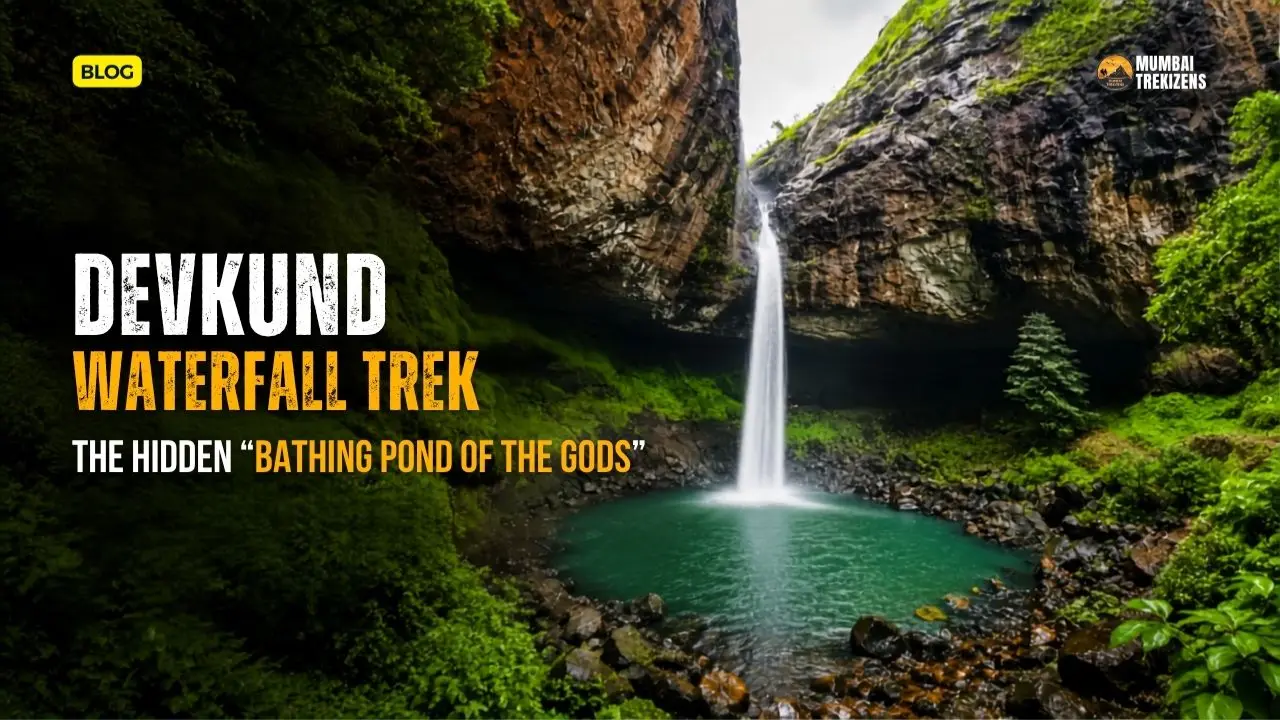
Tucked deep in the forests near Bhira, the Devkund waterfall trek leads to one of the Sahyadri's most magical hidden spots: a tall, milky-white waterfall pouring into a serene emerald pool. Locals call it the "bathing pond of the gods," and one look at that circular, forest-ringed pool explains exactly why.
This is a trek that rewards a little effort with a lot of beauty. The trail winds through dense green forest, crosses cool streams, and skirts the Bhira backwaters before revealing the falls. It's especially loved in the post-monsoon months, when the water runs strong and the forest glows a deep green.
This guide covers the route from Bhira village, the river crossings, difficulty, the best season, transport, food, and the safety tips that make Devkund both a joy and a responsibly enjoyed adventure.
Table of Contents
- Where Devkund Is Located
- What Makes Devkund Special
- The Trek Route From Bhira
- River Crossings and the Water Factor
- Difficulty Level and Who It Suits
- How to Reach Devkund
- Best Time to Visit
- Food, Water, and Stay
- Why a Local Guide Matters
- Safety Tips
- Practical Tips
- Common Mistakes
- Expert Insights
- Frequently Asked Questions
- Ready for Your Next Adventure?
Where Devkund Is Located
Devkund waterfall lies near Bhira village in Raigad district, Maharashtra, close to the scenic Tamhini Ghat and the Bhira (Kundalika) backwaters. It sits in a lush, forested pocket of the Sahyadri that stays green and cool for much of the year.
The trek starts from the Bhira/Patnus village area and follows a well-marked forest trail to the falls. The waterfall is fed by hill streams and pours into a deep, round pool surrounded by cliffs and greenery, a genuinely hidden feel despite its growing popularity.
Its location makes it a favorite weekend escape from both Pune and Mumbai, especially for those chasing waterfalls in and just after the monsoon.
What Makes Devkund Special
A few things set Devkund apart from ordinary waterfall spots:
- The pool. The falls drop into a striking, circular emerald-green pool ringed by forest and rock, the "bathing pond of the gods."
- The forest trail. The route runs through genuinely dense, green Sahyadri jungle, not a bare hillside.
- The remoteness. Reaching it takes a real trek, which keeps the setting feeling wild and rewarding.
- The water play. In the right season, the pool area is a beautiful place to relax and soak in the scenery.
- Tamhini Ghat. The drive in, especially in monsoon, is a scenic experience in itself.
It's the combination of forest, streams, and that jewel-like pool at the end that makes Devkund one of the most photographed waterfall treks near Pune and Mumbai. If waterfalls are your thing, the Kalu Waterfall trek is another stunning Sahyadri cascade worth adding to your list.
The Trek Route From Bhira
The trail begins near Bhira/Patnus village and runs roughly 6 km one way, taking about 2 to 3 hours each way at a comfortable pace.
What the route is like:
- The start: The trail leaves the village and enters shaded forest, following a well-marked path.
- Backwaters and forest: You walk alongside the Bhira backwaters and through dense green woodland.
- Stream crossings: The trail crosses two to three streams, which vary in depth by season (more on this below).
- The final approach: The path leads to the base of the waterfall and its emerald pool.
There are no long, sustained steep climbs, which makes the distance the main effort rather than the gradient. The forest keeps much of the trail shaded and pleasant, and the sound of water grows as you near the falls.
River Crossings and the Water Factor
The defining feature of the Devkund trek, beyond the falls, is its stream crossings. There are typically two to three to cross, and their depth and strength change dramatically with the season.
- Post-monsoon and winter: Crossings are usually shallow and easy, ankle to knee-deep, and simple to manage.
- Monsoon: Crossings can become waist-deep with strong currents, which is where the real caution comes in.
Water safety basics:
- Read the water before crossing; don't wade into strong current.
- Keep grippy shoes on for the slick, rocky bottoms.
- Cross with support in a group, and never alone in high water.
- Respect the pool. The plunge pool is deep, so be careful near and in the water, and follow local advice.
The water is what makes Devkund beautiful and what demands respect. In the right season and with care, the crossings are a fun part of the adventure; in high monsoon flow, they become the main reason to go carefully or wait for a safer window. Fast water and slick rock demand care — our guide to safe trekking near waterfalls and cliffs covers exactly how.
Difficulty Level and Who It Suits
The Devkund trek is rated easy in the dry season and moderate in monsoon. The terrain itself is gentle, but the distance and the water crossings shape the difficulty.
- Suitable for: anyone with basic fitness who can comfortably walk 10 to 12 km, including motivated beginners and families in the drier months.
- Needs care: the stream crossings and slippery paths in monsoon, and the deep plunge pool.
- Great for: waterfall lovers, forest walkers, and weekend trekkers from Pune and Mumbai.
Because there are no big climbs, fitness is less of a barrier here than on fort treks. The key variables are season and water level, which is exactly why timing your visit well matters so much.
How to Reach Devkund
From Pune
- Drive via Tamhini Ghat toward Bhira village (roughly 3 to 3.5 hours). The Tamhini route is scenic, especially in monsoon.
From Mumbai
- Drive toward Pali/Kolad and onward to Bhira village (roughly 4 to 5 hours depending on the route).
By Public Transport
- Reach a nearby hub (such as via Pune or the Kolad/Roha area), then arrange local transport to Bhira. Public options are limited, so many trekkers drive or go with an organized group.
Note: Bhira is somewhat remote, and the final approach roads are narrow. Reaching the base early gives you the best light and water conditions, and arranging return transport in advance is wise. Organized treks commonly handle the transport from Pune or Mumbai, which removes the logistics hassle.
Best Time to Visit
- Post-monsoon (September to November): The best window. Lush greenery, a strong-but-manageable waterfall, pleasant weather, and safer trails and crossings.
- Winter (December to February): Clear skies, cool weather, and great visibility, with easy, shallow crossings. Excellent for a comfortable trek.
- Monsoon (June to August): The waterfall is at its most powerful and the forest at its greenest, but paths are slippery and stream crossings can be waist-deep with strong currents. This is when caution matters most, and when going with an experienced group is especially valuable.
- Summer (March to May): The flow reduces and the pool may be modest; doable but less spectacular.
For the ideal balance of beauty and safety, aim for September to November. For peak power (with peak caution), monsoon delivers, best done with proper guidance.
Food, Water, and Stay
Food and water: The Bhira village area has small local eateries and stalls for simple meals and snacks before or after the trek. On the trail itself, options are limited, so carry your own water (2 to 3 liters) and energy snacks. Don't drink untreated stream water.
Stay options:
- Homestays and small lodges around Bhira/Kolad, convenient for an early start.
- Camping near the backwaters or Kolad, popular for those combining the trek with river activities.
- Many trekkers do Devkund as a day trip from Pune or Mumbai.
The Kolad area nearby is known for river rafting and camping, so it's easy to build Devkund into a fuller adventure weekend.
Why a Local Guide Matters
Devkund is one of those treks where a local guide genuinely adds value, and it's often recommended (and sometimes required) for good reason.
- The forest trail and crossings are easier to navigate safely with someone who knows them.
- Water levels change fast, and locals know when and where crossings are safe.
- The plunge pool is deep, and guides advise on safe behavior around it.
- In monsoon especially, local knowledge of current conditions is invaluable.
Going with a local guide or an organized group isn't about limiting the adventure; it's about enjoying it safely, particularly when the streams are running high. This is a big part of why guided Devkund treks are so popular and run so smoothly.
Safety Tips
- Wear trekking shoes with good grip for slippery, rocky trails and crossings.
- Read the streams before crossing, and never wade into strong current.
- Go with a local guide or group, especially in monsoon.
- Respect the deep plunge pool; be cautious in and near the water.
- Carry 2 to 3 liters of water and don't drink untreated stream water.
- Start early to enjoy the falls with good light and safer conditions.
- Check the weather and avoid the trek after heavy upstream rain, when crossings surge.
- Carry out all trash to keep this hidden gem pristine.
The water is the whole point of Devkund and also its main hazard. Treat the crossings and pool with respect, and it's a wonderfully safe and rewarding trek.
Practical Tips
- Visit in September to November for the best mix of flow and safety.
- Combine with Kolad for rafting or camping in the same weekend.
- Carry a change of clothes and a dry bag; you'll likely get wet.
- Start the trek early for good light and cooler walking.
- Carry cash for the village and local guide.
- Enjoy the Tamhini Ghat drive if coming from Pune, especially in monsoon.
- Quick-dry clothing beats cotton for the crossings.
- Pack out everything you carry in.
Common Mistakes
- Attempting risky crossings in high monsoon flow instead of waiting or turning back.
- Wearing flip-flops or poor-grip shoes on slippery, rocky trails.
- Going without a guide in monsoon, when conditions change fast.
- Underestimating the deep plunge pool and being careless in the water.
- Not carrying enough water on a 12 km round trip.
- Starting late and rushing the return.
- Littering at a beautiful, still-pristine spot.
- Ignoring upstream rain, which can suddenly swell the crossings.
Expert Insights
Trek leaders describe Devkund as one of the most rewarding easy-to-moderate treks in the region, precisely because the effort is gentle but the payoff, that emerald pool beneath a milky waterfall, is spectacular. It's a favorite for introducing people to forest-and-water trekking.
Their consistent message is about the water and the season. Devkund in September to November is a joyful, safe outing; the same trail in heavy monsoon, with waist-deep crossings and strong currents, is a different challenge that demands respect and local knowledge. Reading the streams correctly is the single most important skill here, and it's exactly what experienced guides bring.
Their favorite advice is to slow down and soak it in. Too many day-trippers rush to the falls, grab a photo, and rush back. The magic of Devkund is in the whole experience: the forest, the streams, the growing sound of water, and finally that hidden pool. Done with a good group that handles transport and safety, it's a near-perfect weekend escape.
Frequently Asked Questions
1. How difficult is the Devkund waterfall trek? It's rated easy in the dry season and moderate in monsoon. The terrain is gentle with no big climbs, so the main effort is the roughly 12 km round trip and the stream crossings, which get harder in monsoon.
2. Where does the Devkund trek start? It starts near Bhira/Patnus village in Raigad district, close to Tamhini Ghat, and runs about 6 km one way through forest and stream crossings to the waterfall and its emerald pool.
3. What is the best time for the Devkund trek? Post-monsoon (September to November) is best, with lush greenery, a strong-but-safe waterfall, and manageable crossings. Winter is comfortable too. Monsoon is powerful but risky, and needs extra caution.
4. Are the river crossings dangerous? They vary by season. In the dry months they're shallow and easy, but in monsoon they can become waist-deep with strong currents. Read the water carefully, cross with support, and never wade into strong flow.
5. Do I need a guide for the Devkund trek? A local guide is strongly recommended and sometimes required. Guides help navigate the forest trail and crossings, know current water conditions, and advise on the deep plunge pool, especially valuable in monsoon.
6. How do I reach Devkund from Pune or Mumbai? From Pune, drive via scenic Tamhini Ghat to Bhira (about 3 to 3.5 hours). From Mumbai, drive via Pali/Kolad (about 4 to 5 hours). Public transport is limited, so many trekkers drive or join an organized group.
7. Can beginners do the Devkund trek? Yes, especially in the dry season, since there are no steep climbs. Motivated beginners and families manage it well. In monsoon, the crossings make it moderate, so a guided group is the safer choice.
The Devkund waterfall trek is a gem of the Sahyadri: a gentle forest walk, a few refreshing stream crossings, and a hidden emerald pool beneath a milky-white waterfall waiting at the end. It's proof that the most beautiful places often ask only for a little effort and a lot of respect for the water that makes them special.
Go in the post-monsoon glow of September to November, cross the streams with care, respect the deep pool, and consider a local guide, especially in the rains. Do that, and Devkund will reward you with one of the most enchanting waterfall experiences near Pune and Mumbai.
Ready for Your Next Adventure?
Don't just read about it — come experience it. Book your spot on the Devkund Waterfall Trek with certified trek leaders, small groups, and everything organised for you.
See upcoming dates, the detailed itinerary and pricing for the Devkund Waterfall Trek with Mumbai Trekizens.
View trek & dates → All upcoming treks →🏷 Devkund trek from Bhira village, Devkund waterfall Tamhini, river crossing waterfall trek, Devkund trek difficulty, best waterfall trek near Pune, Devkund waterfall trek route from Bhira
Be the first to comment on this post.